Why Won’t My Ukulele Stay in Tune? (and how to fix it)
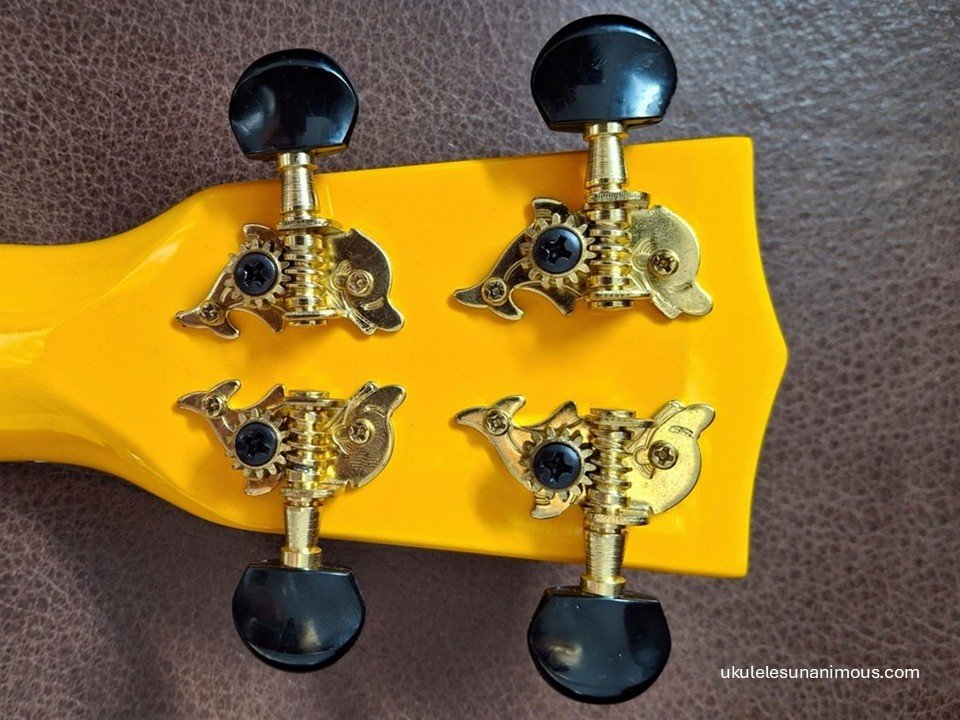
If your ukulele won't stay in tune, don't panic and try these simple fixes first.
If you've just picked up your ukulele, you've probably experienced it:
You carefully tune each string until everything sounds perfect. You play a couple of songs, check your tuning again... and suddenly your ukulele is out of tune. Again.
So, why won't your ukulele stay in tune?
The good news is that, in most cases, there's nothing wrong with your instrument. Whether you're playing a brand-new soprano ukulele or a well-loved concert model, tuning instability is usually caused by a few common factors, and most are easy to fix.
In this guide, we'll explain why your ukulele keeps going out of tune, what you can do about it, and when it might be time to seek professional help.
Why Does My Ukulele Keep Going Out of Tune?
There isn't just one reason why a ukulele loses its tuning. Several factors can affect tuning stability, including the strings, tuning pegs, weather, and even the way you play.
Let's look at the most common causes.
1. Your Ukulele Has New Strings
This is by far the most common reason.
New ukulele strings naturally stretch as they settle in. Until they've fully stretched, they'll continue to lose tension, causing your ukulele to drift out of tune.
Depending on the type of strings and how often you play, this break-in period can last anywhere from a few days to two weeks.
How to Fix it
Play your ukulele regularly.
Each time you finish playing:
Tune all four strings.
Gently stretch each string by pulling it upwards around the middle of the fretboard.
Retune the instrument.
Repeating this process helps the strings settle much faster.
Tip: Don't overstretch the strings. A gentle pull is all that's needed.
2. The Strings Weren't Installed Properly
Even experienced players occasionally discover that poorly installed strings are the culprit.
If the strings aren't secured correctly around the tuning posts or bridge, they can gradually slip while you play.
Signs of poorly installed strings include:
Constant tuning issues on one specific string
Loose wraps around the tuning peg
Strings visibly slipping after tuning
The Solution
If you've recently changed your strings, consider reinstalling them carefully or asking a local music shop to restring the instrument.
Correct string installation makes a noticeable difference to tuning stability.
3. Your Tuning Pegs are Slipping
The tuning pegs are responsible for maintaining string tension.
If they're loose, worn, or incorrectly adjusted, they'll slowly unwind while you're playing.
This is more common on budget ukuleles, although it can happen on any instrument over time.
How to Check
Watch the tuning peg while gently bending the string.
If the peg moves backwards slightly, it may need adjusting.
Many geared tuning machines have a small screw that can be tightened to increase resistance. Friction pegs may also require careful adjustment.
Be careful not to overtighten the screws, as this can damage the tuner.
4. Temperature and Humidity Changes
Ukuleles are made from wood, and wood naturally expands and contracts as the environment changes.
Sudden shifts in temperature or humidity can affect both the wood and the strings, causing tuning changes.
Common situations include:
Taking your ukulele from a cold car into a warm room
Playing outdoors on hot or humid days
Storing your instrument near radiators or air conditioning
Prevent it
Try to keep your ukulele in a stable environment.
Store it:
In a protective case
Away from direct sunlight
Away from heaters and radiators
In a room with moderate humidity
Your ukulele, and its tuning, will thank you.
5. You're Pressing the Strings too Hard
Beginners often grip the strings much harder than necessary.
Pressing too firmly stretches the string slightly, making notes sound sharp and creating the impression that the ukulele has gone out of tune.
With practice, you'll develop a lighter touch that improves both tuning accuracy and playing comfort.
6. Old Strings Have Lost Their Life
While new strings stretch, old strings create different problems.
As strings age, they lose elasticity, collect dirt, and develop tiny flat spots where they contact the frets.
This can make accurate tuning difficult.
❓When Should you Replace your Strings❓
There's no fixed schedule, but here's a general guide:
Frequent players: every 3–6 months
Casual players: every 6–12 months
If your strings look discoloured, feel rough, or sound dull, it's probably time for a fresh set.
7. Cheap Strings Can be Less Stable
Not all strings are created equal.
High-quality strings are manufactured to tighter tolerances and tend to settle more quickly, hold tuning better, and produce a richer tone.
Popular options include:
Aquila Nylgut
D'Addario
Worth Strings
Martin Fluorocarbon
Ernie Ball
A quality set of strings is one of the simplest upgrades you can make.
8. Your Ukulele Needs Professional Attention
If you've ruled out all the common causes and your ukulele still refuses to stay in tune, there could be a mechanical issue.
Possible problems include:
Loose tuning machines
Worn tuning gears
A poorly cut nut
Bridge issues
Structural movement
A qualified guitar or ukulele technician can quickly diagnose and resolve these issues.
Fortunately, they're relatively uncommon.
How Long Should a Ukulele Stay in Tune?
Once your strings have settled, a well-maintained ukulele should stay reasonably in tune for an entire practice session.
You may need a quick adjustment before you start playing, especially if the weather has changed, but constant retuning every few minutes usually indicates one of the issues discussed above.
Even professional musicians check their tuning regularly - it's simply part of playing a stringed instrument.

Tune your ukulele before you play for a good sound every time!
Tips to Keep Your Ukulele in Tune Longer
Here are a few habits that make a big difference:
Tune your ukulele before every practice session.
Stretch new strings gently after installing them.
Replace worn strings regularly.
Store your ukulele in a stable environment.
Avoid sudden temperature changes.
Keep the tuning machines properly adjusted.
Wipe your strings after playing to remove oils and moisture.
A little routine maintenance goes a long way.
Frequently Asked Questions
Is it normal for a new ukulele to go out of tune?
Absolutely. New strings need time to stretch and settle. During the first week or two, frequent retuning is completely normal.
Why does only one string keep going out of tune?
This often points to a slipping string, an installation issue, or a tuning peg that needs adjustment. If only one string is affected, inspect that tuner and string first.
Can humidity really affect tuning?
Yes. Wood reacts to changes in humidity, and even small environmental changes can alter string tension enough to affect tuning.
Should I loosen my strings when storing my ukulele?
No. Ukuleles are designed to remain under normal playing tension. Regularly loosening and tightening the strings can actually make tuning less stable.
Final Thoughts
If your ukulele won't stay in tune, in most cases, the solution is surprisingly simple.
New strings need time to stretch, older strings eventually need replacing, and environmental changes can affect every ukulele, no matter how expensive it is.
With proper string care, correct tuning technique, and a little patience, your ukulele should become far more stable over time, leaving you free to focus on what really matters: enjoying your music!
The more you play, the better your instrument (and your ears) will become.
Looking for free ukulele chord charts with a difference?
➡️ Popular Themed Ukulele Chord Charts
Happy Strumming 😊